
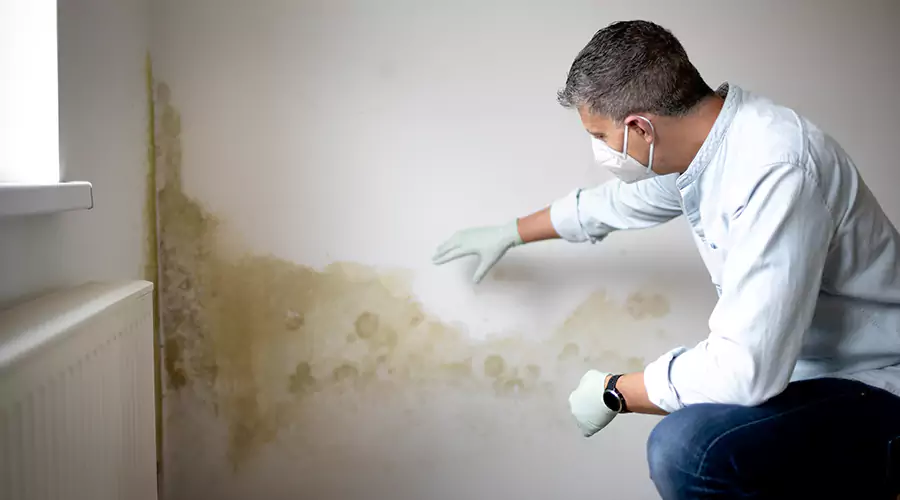


After a water damage event — whether from a burst pipe, slow leak, or flooding — one of the most persistent and unpleasant aftereffects is a musty odor that lingers long after visible water is gone. This smell isn’t just annoying; it’s a sign that moisture, mold, and microbial activity are still present somewhere in your home. In this guide, you’ll learn why musty odors persist and how professional deodorization works to eliminate them for good.
A musty smell is often a signal that moisture remains trapped deep inside building materials — such as drywall, insulation, wood framing, flooring cavities, and carpet padding. Water can seep into tiny cracks and cavities and take much longer to dry than the surface suggests.
Moisture left in these hidden spaces slowly evaporates back into your indoor air, producing that distinct stale smell. This means you can still smell water damage long after it appears dry.
One of the main reasons musty odors persist is microbial growth. Mold and mildew thrive in damp, dark environments — starting in just 24–48 hours after exposure — and release microbial volatile organic compounds (MVOCs), which create the characteristic earthy, musty smell.
Mold can grow not just on surfaces you can see but deep inside walls, under flooring, or within insulation where air circulation is poor. Unless the moisture source is completely removed and growth is remediated, the smell can linger or even worsen.
If water is contaminated (e.g., from floodwater, sewage leaks, or appliance overflows), bacteria and organic matter can remain embedded in materials, contributing to sour or foul odors alongside the musty smell. These bacteria break down organic matter and emit gases that contribute to lingering odor.
Even after drying, poor airflow and high indoor humidity can reactivate microbial growth and keep odors persistent. Areas with limited ventilation — such as basements, crawl spaces, bathrooms, and closets — are especially prone to lingering musty smells because stagnant air traps moisture and odors.
It’s tempting to try masking odors with air fresheners, candles, or surface sprays. But these only cover the smell temporarily — they don’t remove the actual cause: residual moisture and microbial growth.
Even cleaning visible water stains or surface mold doesn’t guarantee removal of hidden moisture trapped behind walls, under floors, or in insulation — all of which can continue producing odor compounds long after the surface is dry.
Professional odor removal is more than just making a space smell good — it’s about eliminating the root causes and neutralizing odor molecules, not just masking them. Here’s how it’s typically done:
Before deodorization begins, restoration professionals use tools like:
This ensures that all hidden water sources are identified so the odor treatment is targeting the true cause of the smell, not just the symptom.
Water must be fully removed before deodorization can be effective. Professionals use:
Drying stops mold growth and halts the microbial processes that produce odor. Only after moisture levels return to normal moisture content (typically validated via equipment) does deodorization begin.
Certain surfaces may need cleaning or sanitizing to remove mold spores, bacteria, and odor‑causing residues. This might include:
During thorough Flood Cleanup, this step removes the biological sources of odor rather than masking them.
Instead of just covering smells, professionals use advanced deodorization methods that neutralize odor molecules:
After professional restoration and deodorization:
A musty odor after water damage isn’t just unpleasant — it’s a sign that moisture and microbial activity are still present somewhere in your home. To truly remove the smell, you must identify and remove hidden moisture, inhibit mold growth, clean affected materials, and use professional deodorization techniques that neutralize odor molecules at their source. Merely masking odors or drying surface moisture rarely provides a lasting solution.
![error : no data for code_snippet : Array
(
[0] => slug='comname
)](/images/logo/logo-plano-water-restoration.png)
Our certified experts are ready 24/7 to assist you with emergency restoration services.
GET A QUOTE